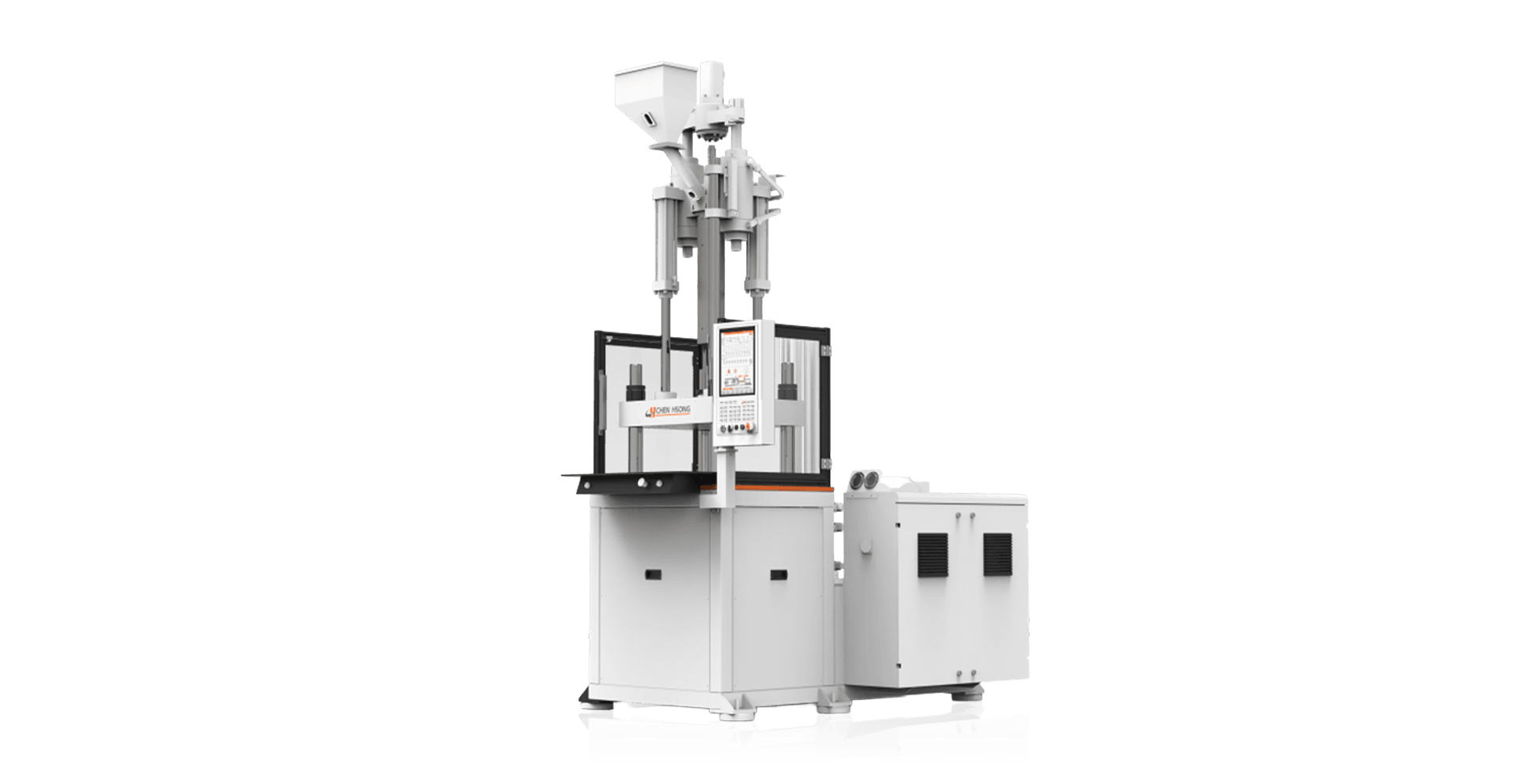
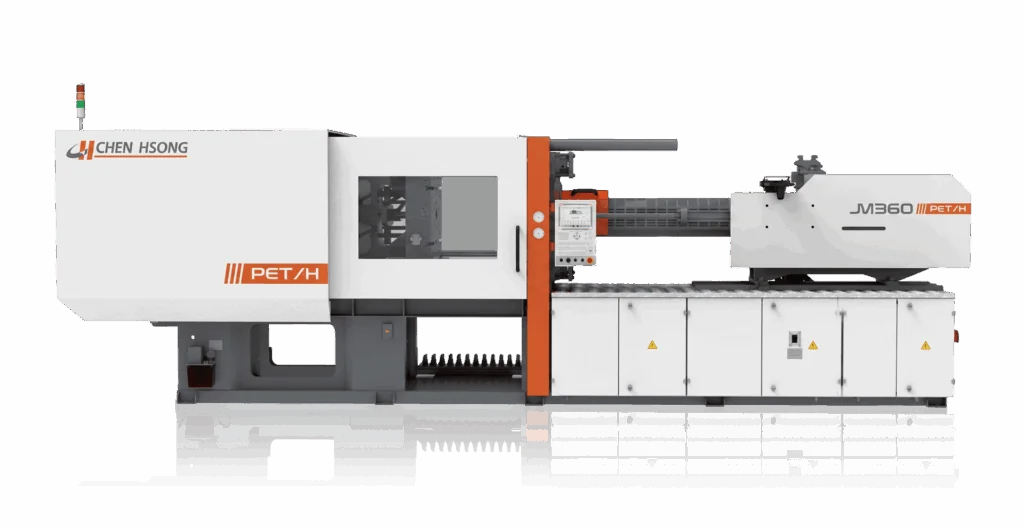
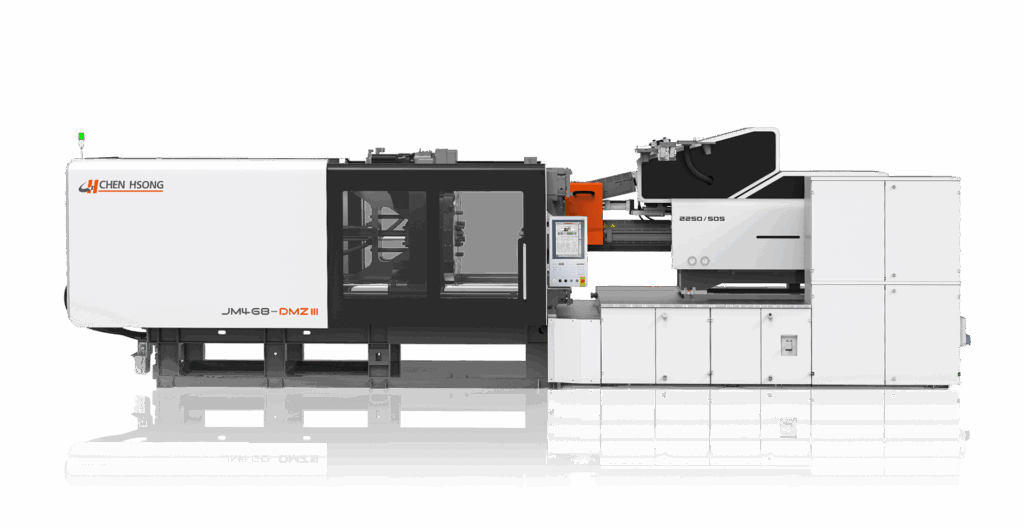
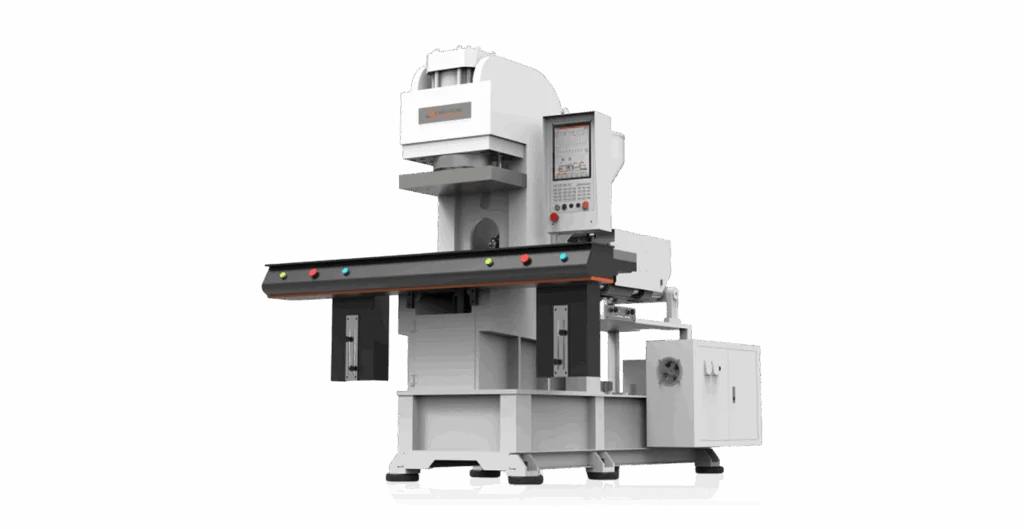
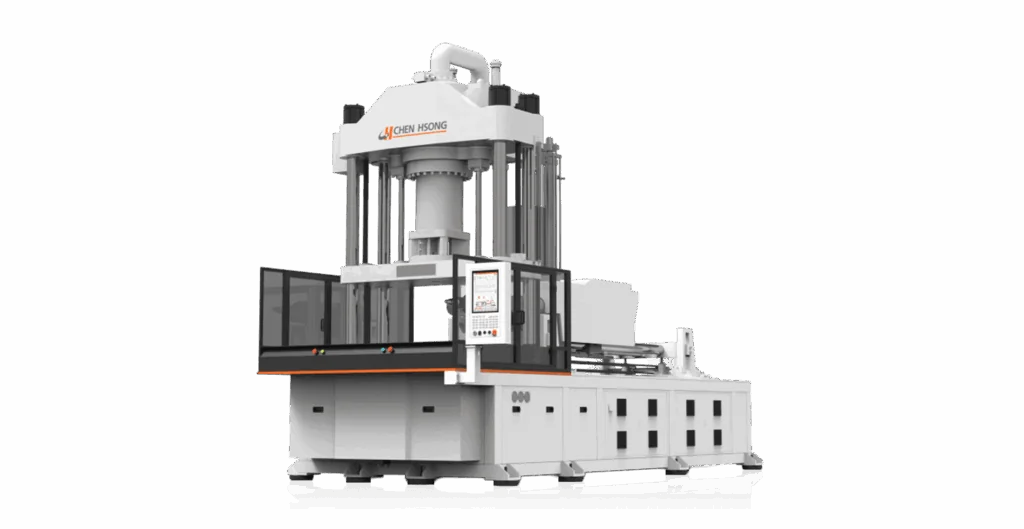
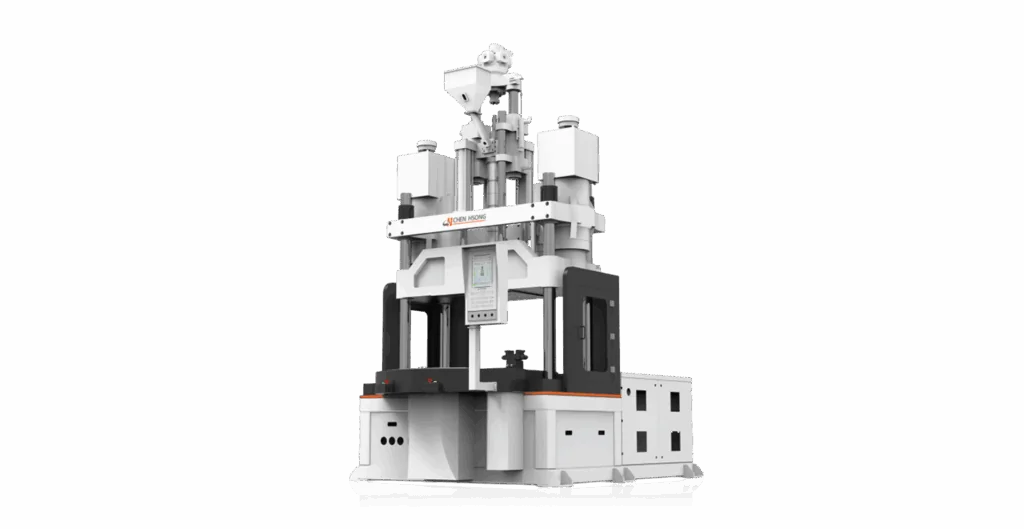
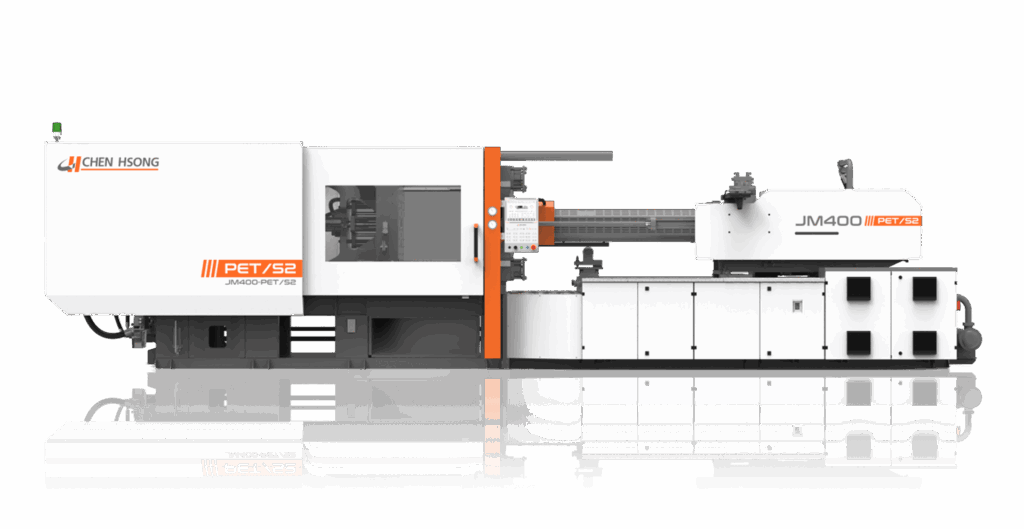
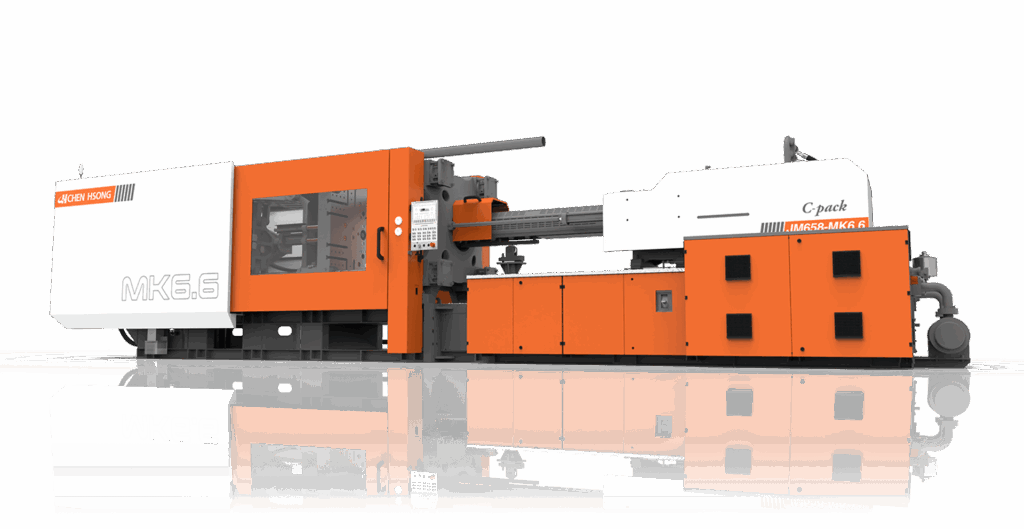
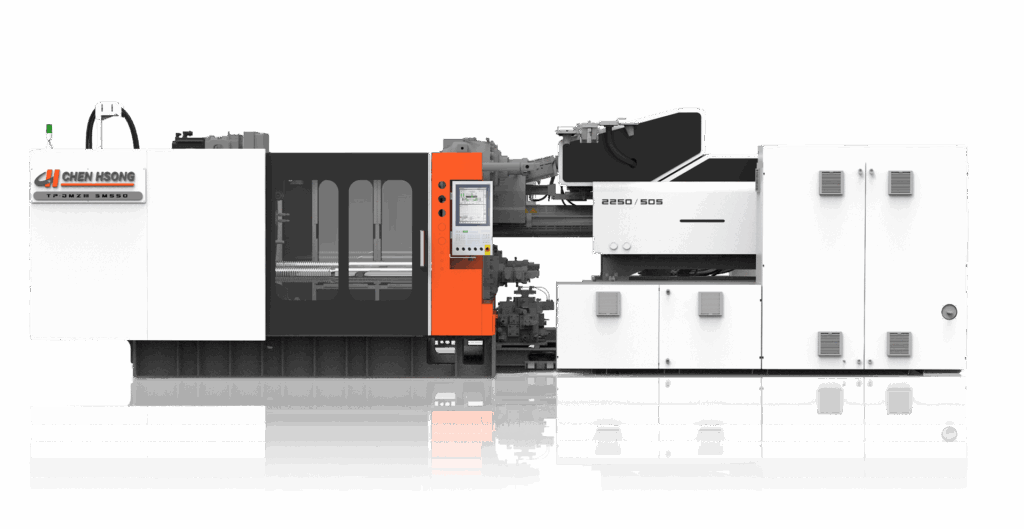
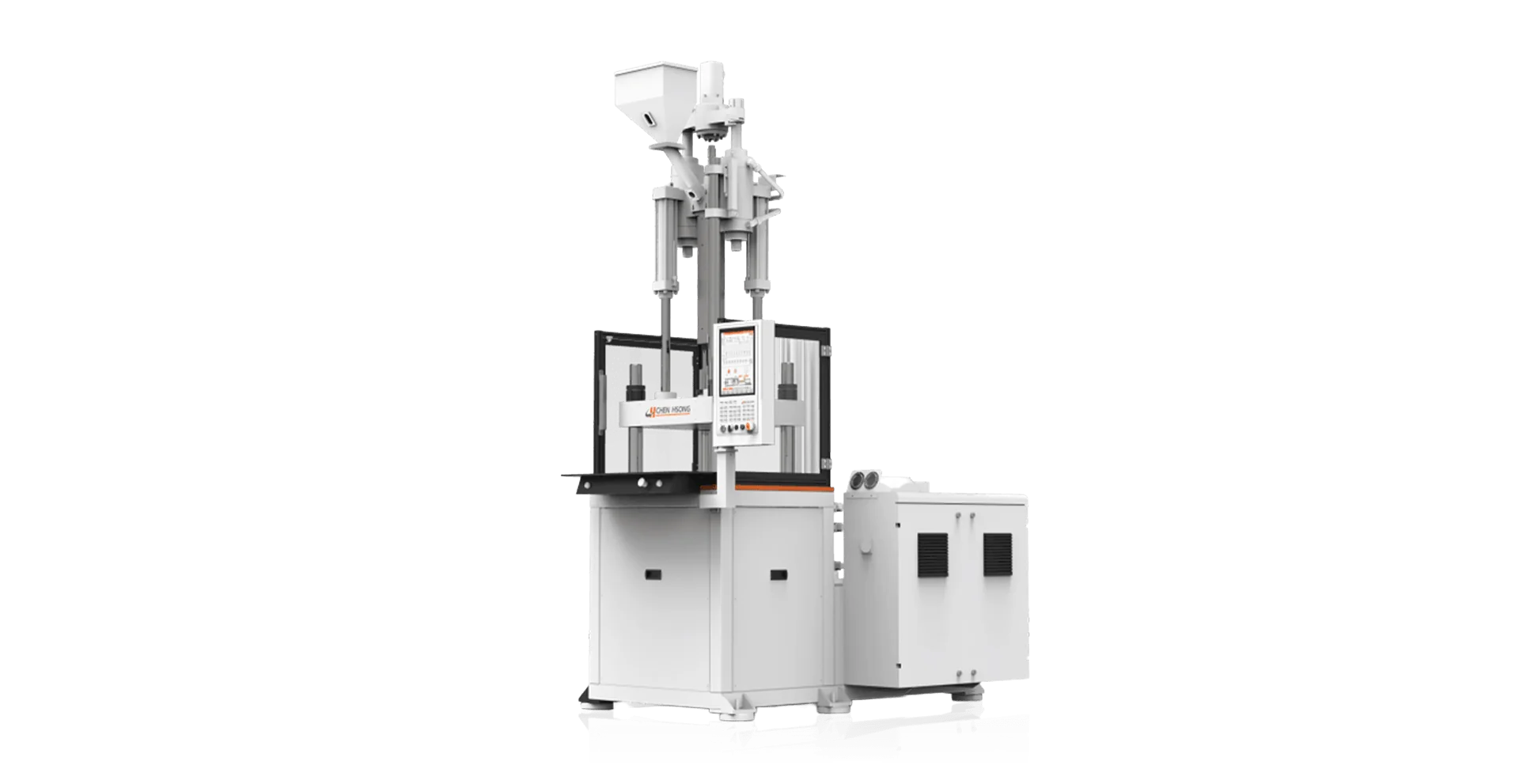
Chen Hsong V Series Standard vertical injection molding machine with fixed lower platen

V Series

35 -
400 T
V Series

One Platform. Four Ways to Load.

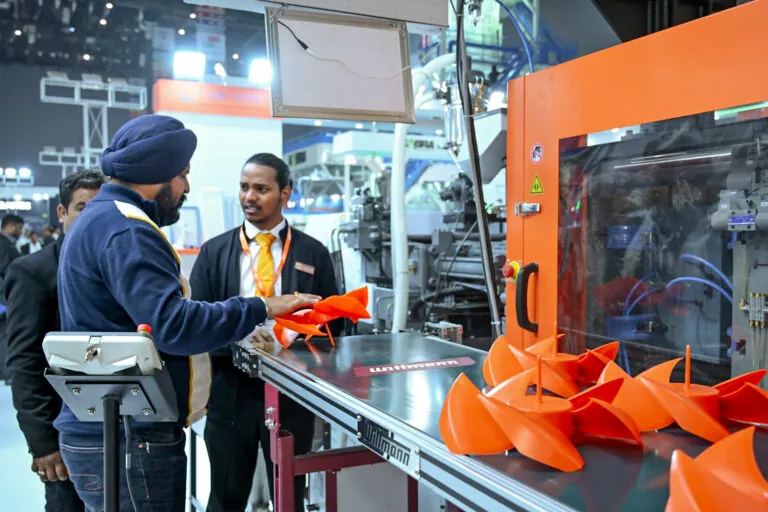
The V Series is Chen Hsong’s vertical clamping and vertical injection platform for insert molding and overmolding. Vertical clamping with vertical injection keeps inserts in place by gravity during molding, eliminating the need for complex fixturing. All four configurations share common operator training, mold standards, and spare parts.

Four configurations cover the full range of insert loading methods and production volumes. V Standard, V-S Single-Slide, and V-SD Double-Slide each offer six models from 35 to 200 tonnes on the same platform. The V-R Rotary extends the range further with ten models from 35 to 400 tonnes for applications requiring the highest throughput or two-colour molding. Switching between configurations at the same tonnage requires no operator retraining. V Series configurations can also be supplied for liquid silicone rubber (LSR) molding with the LSR-1000s metering unit, including two-colour silicone-plus-plastic parts on the V-R Rotary.

Core Values

V Standard: Fixed Platen

  • Fixed lower platen for simple, economical insert molding and overmolding
  • Vertical clamping holds inserts by gravity; vertical injection from above for consistent fill

V-S Single-Slide: Slide Out and Load

  • Lower platen slides out from under the clamping unit for clear, unobstructed insert access
  • Operators load and unload without reaching into the machine, improving ergonomics and accuracy

V-SD Double-Slide: One Side Loads, One Molds

  • Two sliding platens alternate under one injection unit, so loading and molding run at the same time
  • Effectively doubles output when insert loading takes as long as the molding cycle

V-R Rotary: Highest Throughput, Two-Colour and LSR

  • Servo-driven rotary table alternates two stations for the fastest changeover in the vertical range
  • Supports two-colour and multi-colour molding, plus liquid silicone rubber (LSR), with rotational material registration

FAQ

01Which V Series Configuration Should I Choose?

The four configurations share the same vertical clamping and injection platform and differ only in how the lower platen loads inserts. Choose V Standard, with its fixed platen, for simple or low-volume work where insert loading is fast. Choose V-S Single-Slide when operators need clearer, more ergonomic access without reaching into the mold.

Choose V-SD Double-Slide when insert loading takes about as long as the molding cycle, since loading and molding then run at the same time and roughly double output. Choose V-R Rotary for the highest throughput, the fastest changeover, clamping above 200 tonnes, or any two-colour, multi-colour, or LSR work that needs rotational material registration.

The V Series is built for insert molding and overmolding, where pre-placed parts are encapsulated in plastic. Typical work includes electrical connectors and terminals, cable and plug overmolding, automotive sensors and harness connectors, metal and threaded inserts, and multi-material consumer products.

Vertical clamping is the right choice whenever inserts must be loaded from above and held by gravity during molding, which horizontal machines cannot do reliably.

Yes. V Series models can be configured for liquid silicone rubber (LSR) molding with the LSR-1000s metering and dosing unit. Two-colour, multi-colour, and two-colour LSR work runs on the V-R Rotary, whose servo-driven table gives the precise rotational alignment needed for material registration between stations; the linear-platen configurations (Standard, Single-Slide, Double-Slide) are single-material. LSR setups use a pneumatic shut-off nozzle for clean, flash-free silicone parts.

Vertical clamping opens the mold upward, so gravity holds metal inserts, terminals, cable ends, and threaded inserts securely in the lower mold half while the upper half closes. This makes insert placement reliable in a way horizontal machines cannot match, and the vertical layout also takes far less floor space than a horizontal machine of the same tonnage.

For general molding without inserts, where parts eject and drop by gravity, horizontal machines remain the better choice.